

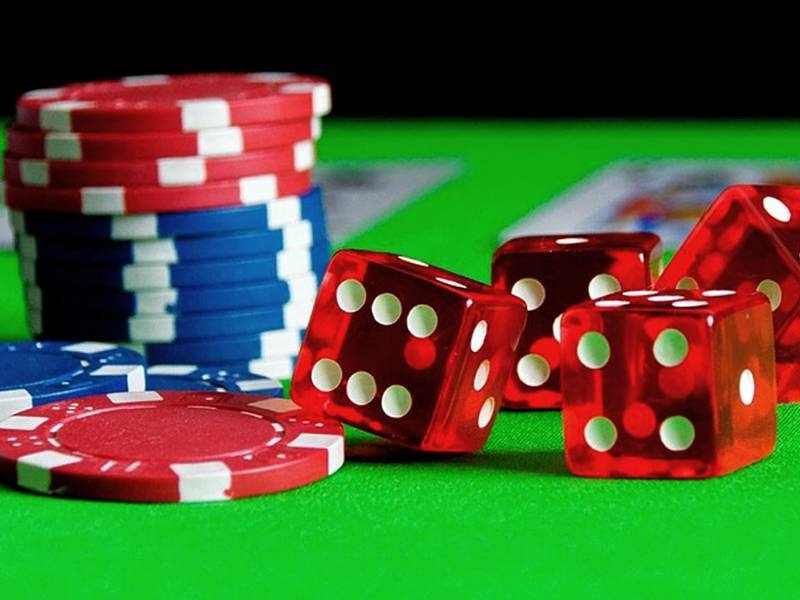
paris88 slot games run on mathematical models created during development that dictate how often wins occur, what amounts they pay, and the percentage returned over time. Random number generators pick symbol combinations each spin using weighted probabilities that developers assign to various icons. Paytables, hit rates, volatility choices, and how symbols get distributed across reels combine to create the RTP percentage governing long-term payout patterns.
Programming mathematics
Game creators build the entire mathematical structure before designing any graphics or themes. Every possible reel outcome gets assigned a probability value. Symbols receive weights determining their appearance frequency. Premium symbols carry lower weights, so they show up less often than common low-value icons. Wilds usually get the smallest weights because their substitution power creates more winning combinations than regular symbols.
Paytables show what symbol combinations pay, but probabilities control how often players actually see those combinations land. A slot might list five premium symbols paying 500 times the stake, yet that outcome could have one-in-five-million odds. Probability assignments combine with paytable prizes to hit the target RTP percentage developers want. The gap between displayed prizes and actual landing frequencies creates the house edge while maintaining player engagement through visible large prize potential.
Symbol distribution patterns
Virtual reel strips contain programmed symbol sequences rather than physical positions. A reel might include 100 virtual stops with symbols distributed across them. Low-value symbols appear in dozens of positions while premium symbols might occupy just three or four stops on the entire strip. This placement directly controls payout behavior. Heavy populations of common symbols create frequent small wins. Sparse high-value symbol placement produces rare large payouts. How all reels work together determines the game’s character? Some arrangements favor steady small prizes; others create lottery-style gameplay where big wins happen rarely but spectacularly.
Generating random numbers
RNG systems cycle through thousands of number sequences every second, regardless of whether anyone plays. Hitting spin captures whatever number exists at that precise moment. Mathematical mapping converts this number into specific reel positions. Each spin stays completely independent from previous outcomes, which maintains fairness throughout gameplay. Testing laboratories regularly examine these generators to confirm proper randomness and function. The RNG runs constantly in the background, producing outcomes matching programmed probability distributions. Across millions of spins, results align with the mathematical model to deliver advertised RTP percentages.
Hit frequency configurations
Hit frequency measures the proportion of spins that produce wins of any size. A game with 25% hit frequency pays something roughly once every four spins. This differs from RTP because it counts winning spin frequency instead of money returned. High hit frequency with modest RTP happens when wins pay small amounts frequently. Low hit frequency with strong RTP occurs when rare wins pay substantially. Balancing hit frequency against prize sizes creates distinct experiences:
- Frequent small wins maintain engagement through constant action
- Rare large prizes build anticipation through extended waiting periods
- Mixed patterns combine both elements for varied gameplay
Developers choose hit frequencies based on target audiences and intended playing styles. Action-focused games use high frequencies around 35% to 40%, while jackpot-oriented slots operate at 15% to 20% frequency. RNG systems execute these programmed elements to produce the long-term returns and payout behaviors players encounter across extended gaming sessio